
Planning for the unpopular: Making space for loud, dirty and essential industry
Presented by Cindy Williams at the 2026 Planning Institute of Australia Queensland Conference, Cairns

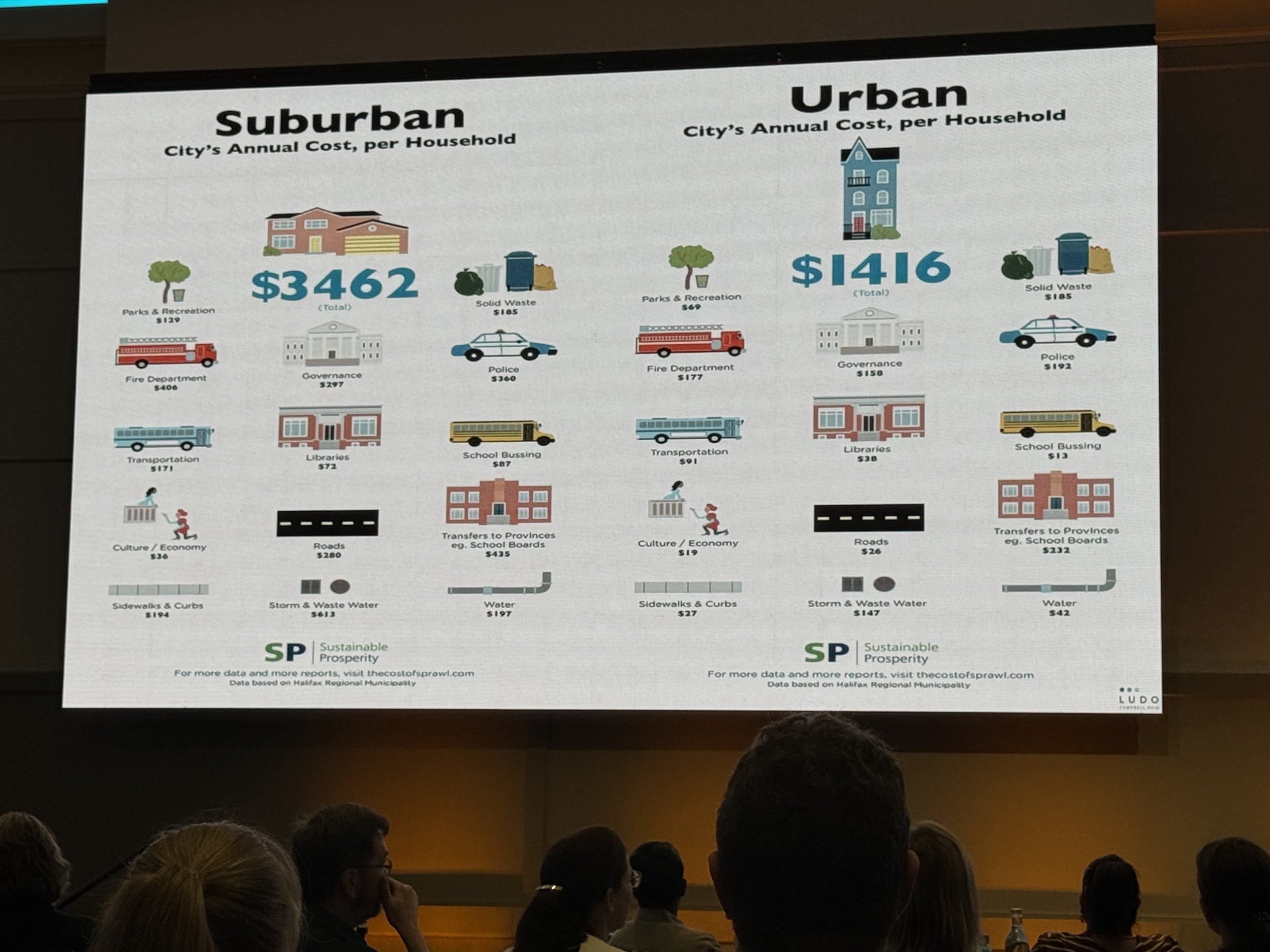
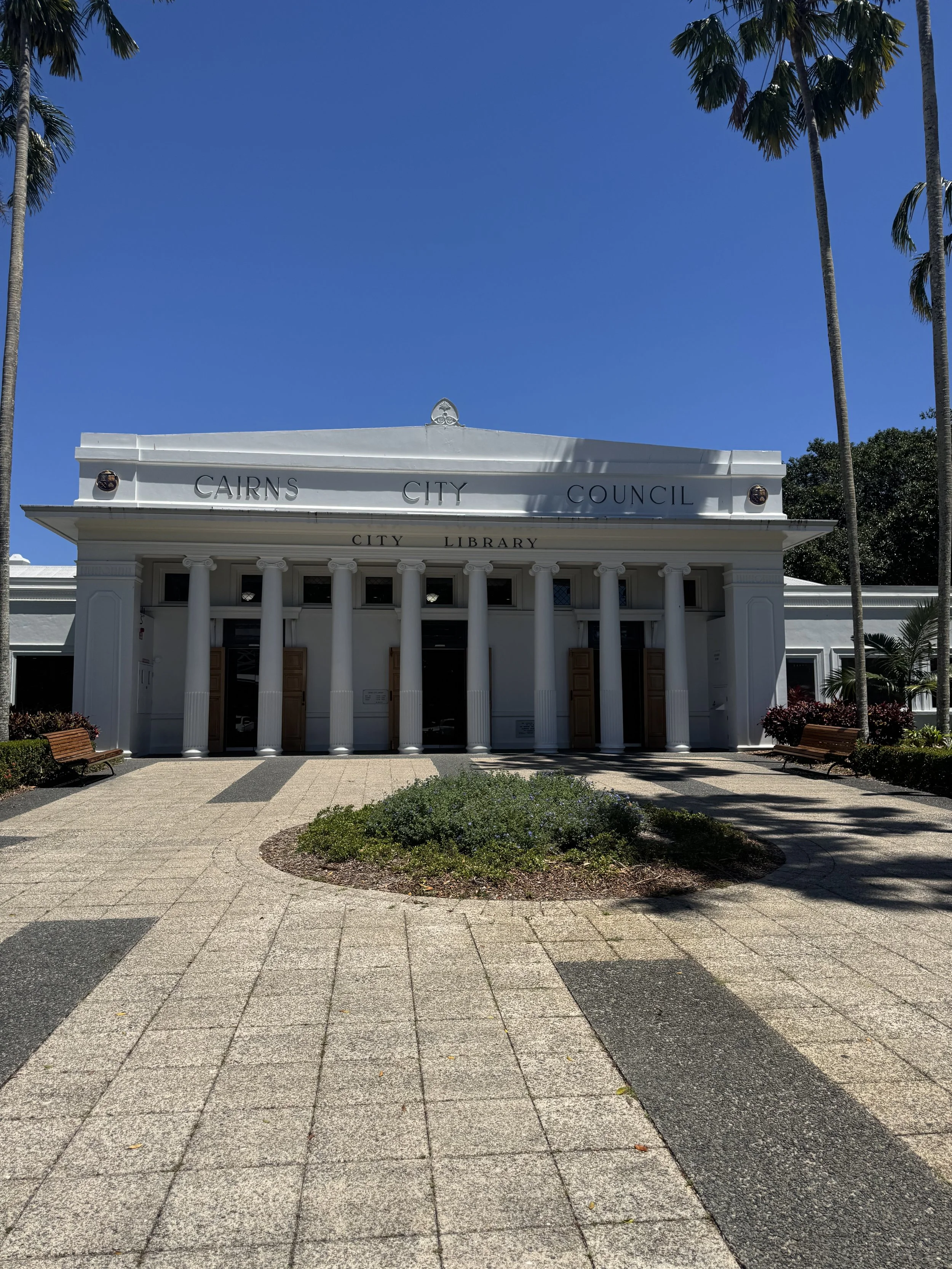

The housing crisis is rightly dominating planning conversations across Australia.
Governments are accelerating housing delivery. Councils are reviewing planning controls. Development approvals are being fast-tracked. Across Southeast Queensland, population growth and preparations for the Brisbane 2032 Olympic and Paralympic Games are creating unprecedented pressure to deliver more homes, quicker.
But in our rush to solve one challenge, are we overlooking another?
At the recent Planning Institute of Australia Queensland Conference 2026, Cindy Williams presented a session titled Planning for the unpopular: Making space for loud, dirty and essential industry. The presentation explored a question that we believe deserves far greater attention within contemporary planning discussions:
Where will people work, and how will they get there?
The missing half of the conversation
When planning professionals discuss accessibility, the conversation often defaults to CBD commuters and public transport networks.
Yet a significant proportion of our workforce does not work in offices.
People also work in manufacturing, construction, transport and logistics, warehousing, waste and resource recovery, servicing industries, utilities and trades. These are the workers who keep our cities functioning every day. They are also the workers most affected when employment land is pushed further and further towards the urban fringe.
The question is not whether we should build more housing. We absolutely should.
The question is whether we are simultaneously creating a new accessibility problem by separating homes and jobs.
As planners, we routinely assess dwelling yields, population projections and housing supply targets. But how often do we assess a proposal through the lens of employment access, particularly industrial employment access?
A housing target without a jobs plan, is only half a plan.
Industrial land matters more than we think
Queensland's industrial economy is a critical contributor to economic growth and prosperity. Manufacturing, logistics and industrial activities support hundreds of thousands of jobs and underpin the movement of goods, services and infrastructure across the state.
At the same time, some of our most strategically located industrial precincts are facing increasing redevelopment pressure as governments seek opportunities to deliver additional housing.
This creates a fundamental planning dilemma.
Many new industrial precincts being identified for future growth are located significant distances from established residential communities. While these locations often provide access to highways, rail corridors and large sites, they can also create longer commutes, greater reliance on private vehicles and reduced employment accessibility for workers.
The challenge is not just about protecting industrial land. It is about protecting access to jobs.
Why access to jobs matters
One statistic highlighted during Cindy’s presentation stood out.
While a large proportion of industrial workers enjoy relatively short commutes today, the overwhelming majority still travel by car. This is often not because people prefer driving, but because industrial precincts are frequently designed around vehicle access with limited walking, cycling or public transport connections.
Improving accessibility does not mean every industrial estate needs a train station or high-frequency bus service.
Often the most effective interventions are much simpler:
Safe walking connections between employment areas and nearby communities
Cycling infrastructure linking industrial precincts to surrounding neighbourhoods
Improved lighting and wayfinding
Better integration with existing public transport networks
Planning decisions that retain jobs closer to where people already live.
These measures can provide genuine transport choice while supporting both economic productivity and community wellbeing.
What can we learn from elsewhere?
One of the most interesting parts of the discussion examined examples from around the world where cities have challenged the assumption that housing and industry must always be separated.
In Paris, the Isséane Waste-to-Energy facility demonstrates how sophisticated design and engineering solutions can allow significant industrial infrastructure to function within a dense urban environment.
In Stockholm's Hammarby Sjöstad redevelopment, housing and employment opportunities were deliberately planned together as part of a single integrated district rather than being treated as competing land uses.
Germany went one step further by introducing a dedicated ‘Urban Area’ zoning category that enables higher-density mixed-use development while accommodating a broader range of commercial and employment activities.
Conversely, London's Park Royal Industrial Area provides an example of the ongoing pressure industrial lands can face, even where formal protections exist. It highlights how employment land can be gradually eroded through seemingly reasonable site-by-site decisions over time.
While no international example can be directly transplanted into Southeast Queensland, each demonstrates that the choice is not necessarily between housing or industry.
Often the answer is better planning, better design and better policy.
Four questions every planner should ask
Cindy’s presentation concluded with a simple framework.
Before recommending a redevelopment, strategic plan, master plan or industrial land release, there are some questions we can ask:
Who will work here, and how will they get here?
What does this proposal do for access to jobs, not just housing supply?
What planning, design or interface tools could allow both uses to coexist?
Does this decision protect or erode the region's employment spectrum over time?
These questions are not intended to stop housing delivery.
They are intended to ensure we think more broadly about how housing, employment and transport work together.
Planning beyond housing targets
The debate about housing supply will continue, and rightly so.
But if we focus solely on dwelling numbers, we risk creating a future where people have homes but longer commutes, fewer transport choices and reduced access to employment opportunities.
The more resilient future is one where housing and jobs are planned together from the outset.
As planners, transport specialists and urban strategists, we should be asking not only how many homes can be delivered, but also how people will access the jobs that support thriving communities.
Because a housing target without a jobs plan, is only half a plan.